Warning Signs of a Heart Attack | St. Xavier's Hospital Nagercoil
-
Home
-
Heart Health
-
Warning Signs of a Heart Attack — Act Fast and Save a Life

Warning Signs of a Heart Attack — Act Fast and Save a Life
Learn the early warning signs of a heart attack and what to do immediately. Expert advice from the Cardiology team at St. Xavier's Hospital, Nagercoil.

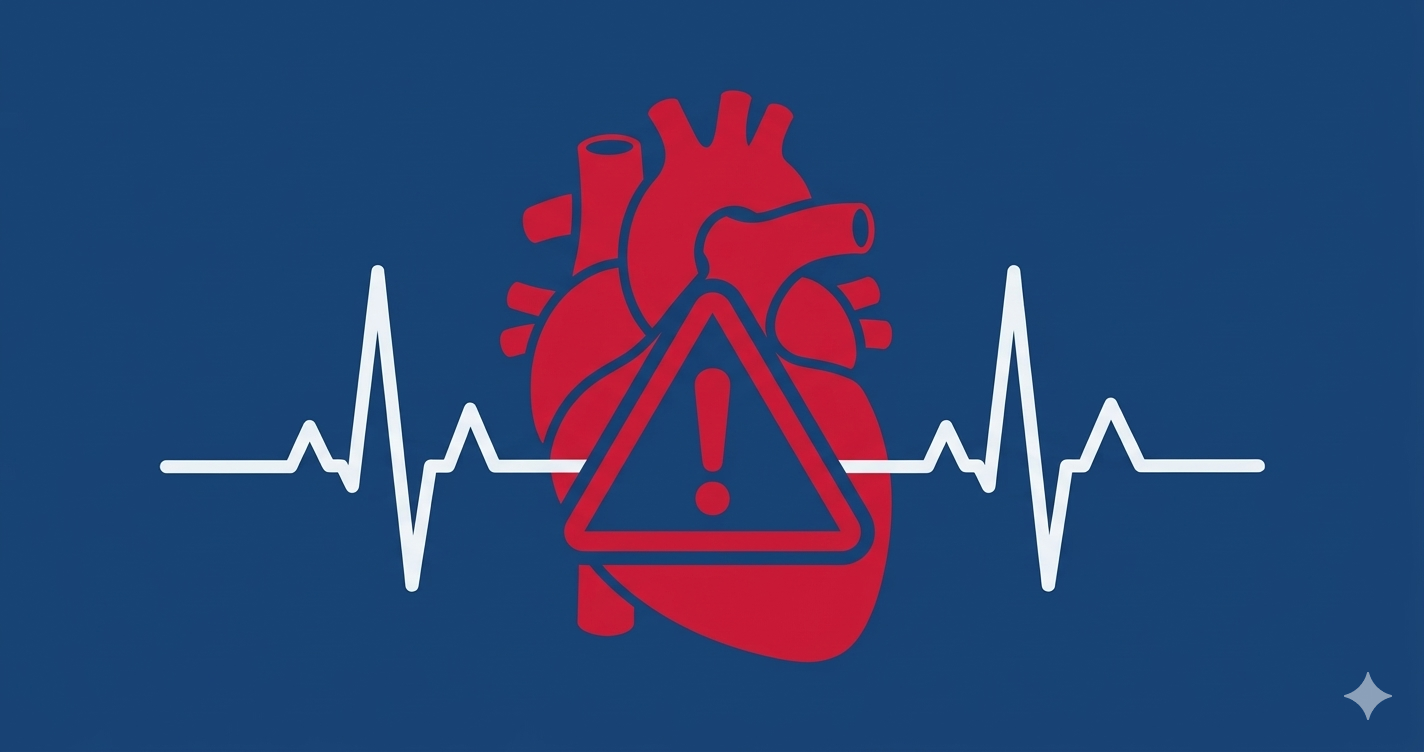
A heart attack can happen to anyone — at any age, at any time. Every minute without treatment causes more damage to the heart muscle. Knowing the warning signs and acting fast can be the difference between life and death.
At St. Xavier's Catholic Multi-Specialty Hospital, Nagercoil, our Cardiology team sees patients every week who waited too long before seeking help. This article is written to make sure you and your family never make that mistake.
What Is a Heart Attack?
A heart attack occurs when blood flow to a part of the heart is blocked — usually by a buildup of fat and cholesterol in the coronary arteries. Without blood and oxygen, the heart muscle begins to die.
Early Warning Signs of a Heart Attack
- Chest Pain or Pressure — A feeling of tightness, squeezing, or pressure in the center of the chest lasting more than a few minutes.
- Pain Spreading to the Arm, Neck, or Jaw — Pain radiating from the chest to the left arm, both arms, the neck, jaw, or back.
- Shortness of Breath — Difficulty breathing with or without chest pain, even while resting.
- Cold Sweat and Nausea — Sudden cold sweating, nausea, or vomiting combined with chest discomfort.
- Dizziness or Lightheadedness — Feeling suddenly dizzy or faint, particularly with chest pain.
- Unusual Fatigue — Extreme tiredness especially in women — can appear days before the actual event.
- Heart Palpitations — A feeling that your heart is beating irregularly or too fast.
Warning Signs Are Different in Women
Women are more likely to experience unusual fatigue, nausea, back or jaw pain, dizziness, and shortness of breath without chest pain. Because these symptoms are less obvious, women often delay seeking help — making the outcome more serious.
What to Do If You Suspect a Heart Attack
Step 1 — Call for emergency help immediately. Do not drive yourself to the hospital. Call St. Xavier's Hospital at +91 72001 60822 — our Emergency Department is open 24/7.
Step 2 — Sit or lie down and stop all activity.
Step 3 — Loosen any tight clothing around your chest.
Step 4 — Stay calm and breathe slowly.
Who Is at Risk?
You are at higher risk if you have high blood pressure, diabetes, high cholesterol, a smoking habit, a family history of heart disease, obesity, or chronic stress.
Prevention Tips
Eat a healthy low-fat diet, exercise for 30 minutes daily, quit smoking, monitor your blood pressure and cholesterol regularly, and get a cardiac check-up after the age of 40.
A heart attack is a medical emergency. If you or someone near you experiences any of these warning signs — rush to St. Xavier's Catholic Multi-Specialty Hospital, Nagercoil immediately.
📞 Emergency Contact: +91 72001 60822 🏥 St. Xavier's Catholic Multi-Specialty Hospital, Chunkankadai, Nagercoil
Share this post: